
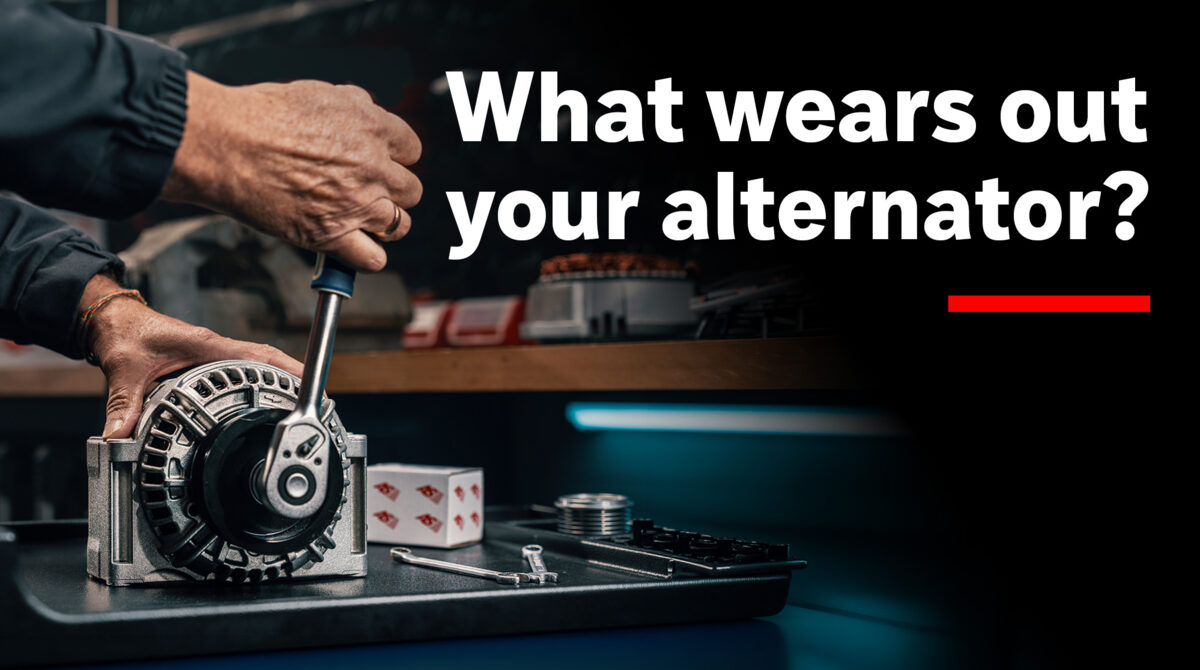
Heat, rising electrical demand, short trips and environmental exposure all shorten alternator life. AS-PL outlines the main causes of premature wear.
An AS-PL article points out that although the alternator looks like a robust part, it works in a harsh environment of high temperatures, constant vibration and fluctuating electrical load under the bonnet. The combination of these factors largely determines its service life.
Heat is the most underestimated factor. In city traffic and during long idling the engine bay gets hot while the alternator generates heat of its own. The voltage regulator and diodes are the most heat-sensitive components, and high temperatures also degrade bearing lubrication and speed up wear.
- Air conditioning, seat heating and driver-assistance systems push alternators close to their design limits.
- In winter, many consumers running at once plus frequent starts raise the load.
- Short trips and stop-and-go driving are tougher than long, steady journeys.
- Moisture, dirt and road salt mostly attack cables, connectors and ground points.
Failures rarely have a single cause, so the charging system should be assessed as a whole.