
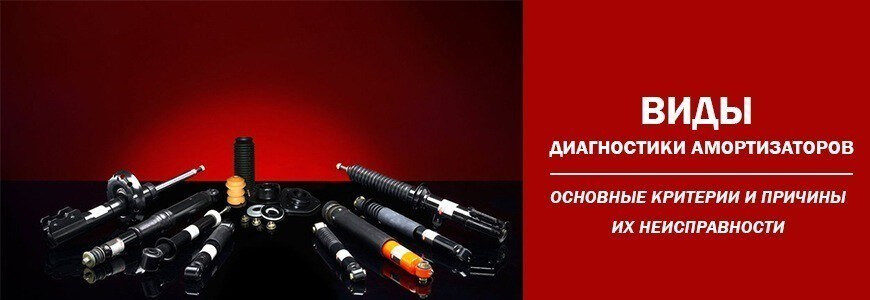
Longer braking distances, jolts and instability in corners point to worn shock absorbers. The most reliable diagnosis is a measurement on a test bench.
Shock absorbers damp the vehicle’s vertical oscillations, keeping the body level and the wheels in contact with the road during acceleration, braking and manoeuvres. They come in single- and twin-tube, oil, gas and combined designs.
Warning signs include weaker acceleration, reduced load capacity, jerky ride, longer braking distances, aquaplaning on wet roads and poor control at speed or in corners.
- The old “rock the car” test is unreliable, especially on modern vehicles.
- Visual inspection can reveal oil leaks and uneven tyre wear.
- A road test at higher speed can expose swaying and slow steering response.
- The most reliable method is removing the unit and measuring it on a test bench in several modes.