
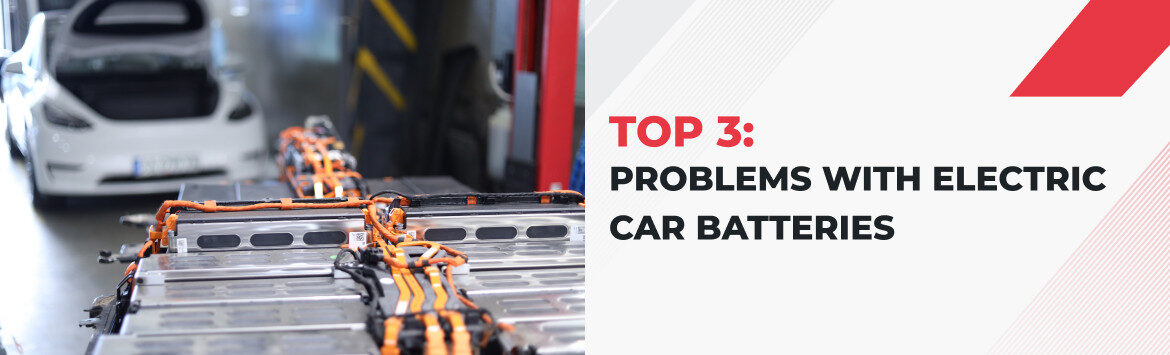
Overheating, physical damage and chemistry-related imbalance wear EV batteries the most. Diagnosing them requires dedicated battery testers.
The high-voltage battery is an EV’s most critical and expensive component. Two main types are used, Ni-MH and Li-ion; Li-ion lasts longer and stores more energy but is flammable, so it is protected by a battery management system (BMS). Under normal use batteries lose roughly 2% of capacity per year, but some factors speed this up.
- Overheating: general heat or local hot spots caused by cell imbalance lead to premature capacity loss.
- Physical damage: underfloor batteries are exposed to crashes, impacts and transport damage; in hybrids, moisture drawn in through cabin vents can cause corrosion.
- Chemical issues: in lower-quality packs some modules gradually stop accepting a full charge, creating imbalance.
Diagnosing and balancing these problems requires dedicated Li-ion and Ni-MH battery testers.